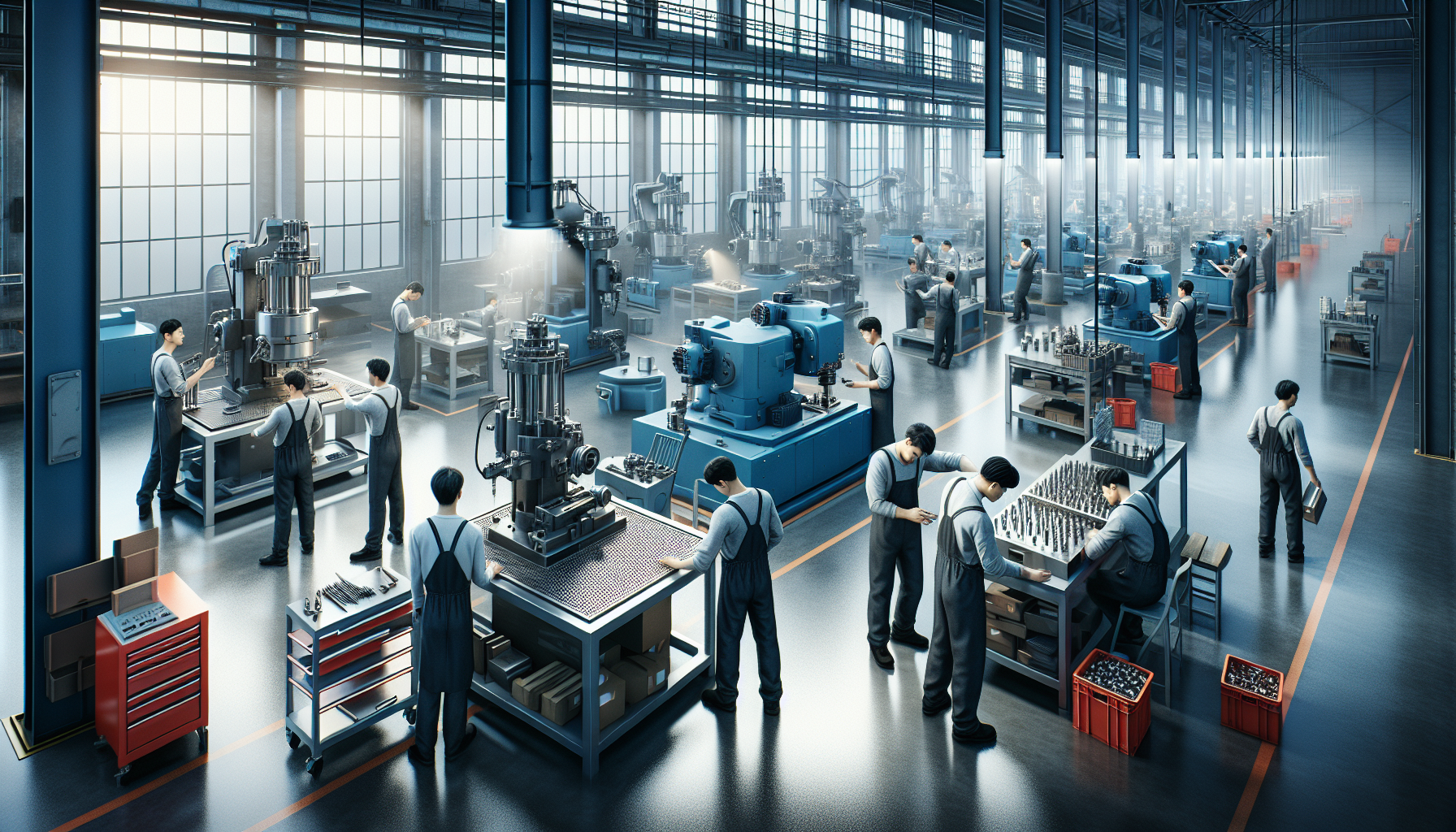
The industrial sector is undergoing significant changes that will shape its evolution throughout 2026. These changes affect both production methods and the management and marketing of products, with an increasing focus on sustainability, digitalization, and operational efficiency.\n\n
Technological Innovation and Digitalization\n
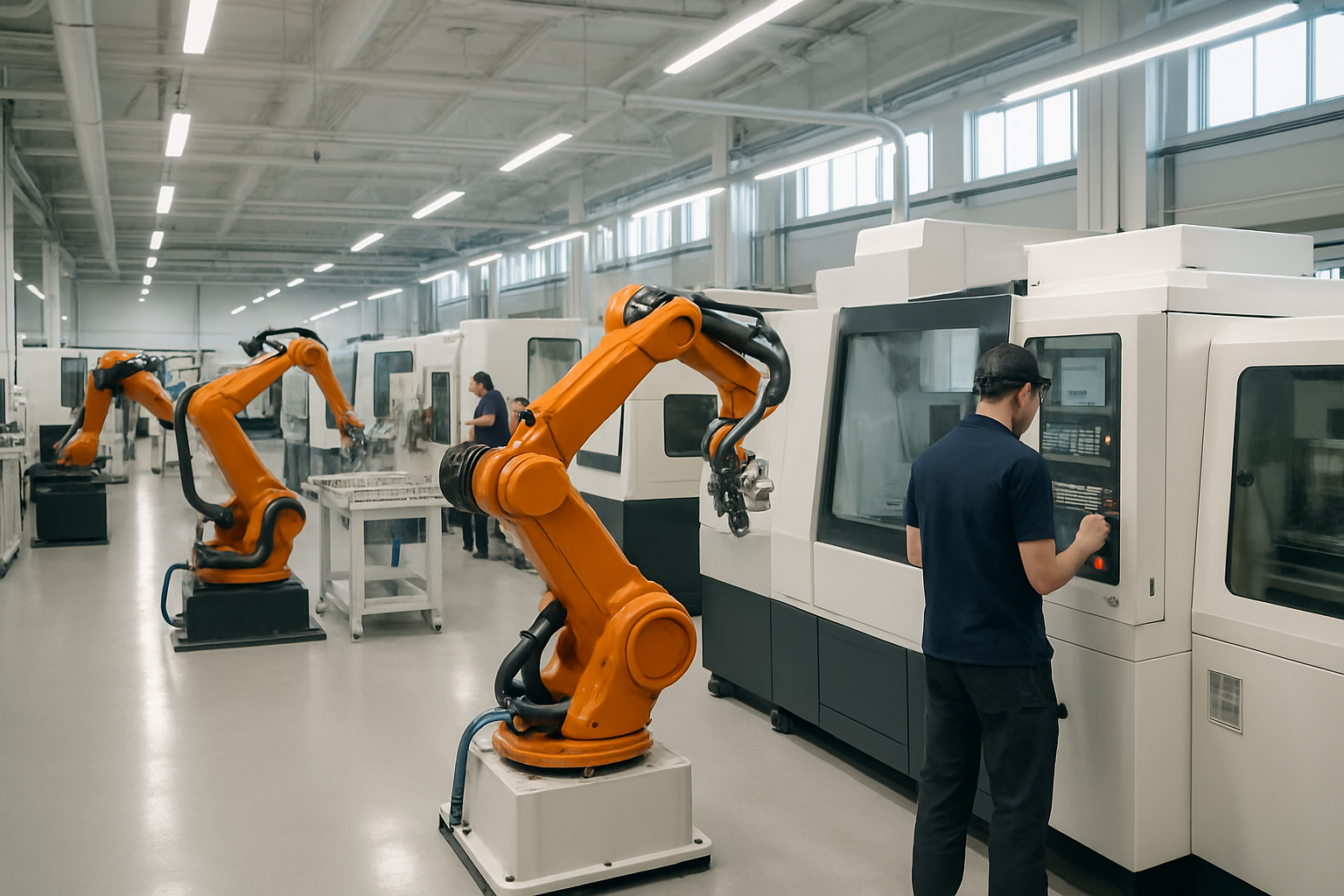
Digitalization remains one of the strongest trends in the industrial field. The integration of technologies such as artificial intelligence, the Internet of Things (IoT), and advanced automation allows for process optimization, cost reduction, and improved product quality. In 2026, industrial companies are investing in intelligent systems for predictive maintenance and real-time monitoring of their production lines, which increases efficiency and minimizes unexpected downtime.\n\n
Sustainability and Circular Economy\n
The pressure to reduce environmental impact drives industrial companies to adopt more sustainable practices. Implementing processes that use recycled materials, optimizing energy consumption, and responsible waste management are part of the strategy to comply with regulations and meet the demands of increasingly conscious consumers and clients.\n
The circular economy is positioned as a key model, promoting reuse and recycling to minimize environmental impact and create long-term value.\n\n
New Production Models and Flexibility\n
The move toward more flexible and personalized production models is another notable trend. Additive manufacturing or 3D printing enables on-demand production and the creation of customized parts and components, reducing inventory and logistics costs.\n
Additionally, industrial companies are incorporating modular systems that facilitate rapid adaptation to changes in demand or client specifications, enhancing competitiveness.\n\n
Customer Experience and Omnichannel Distribution\n
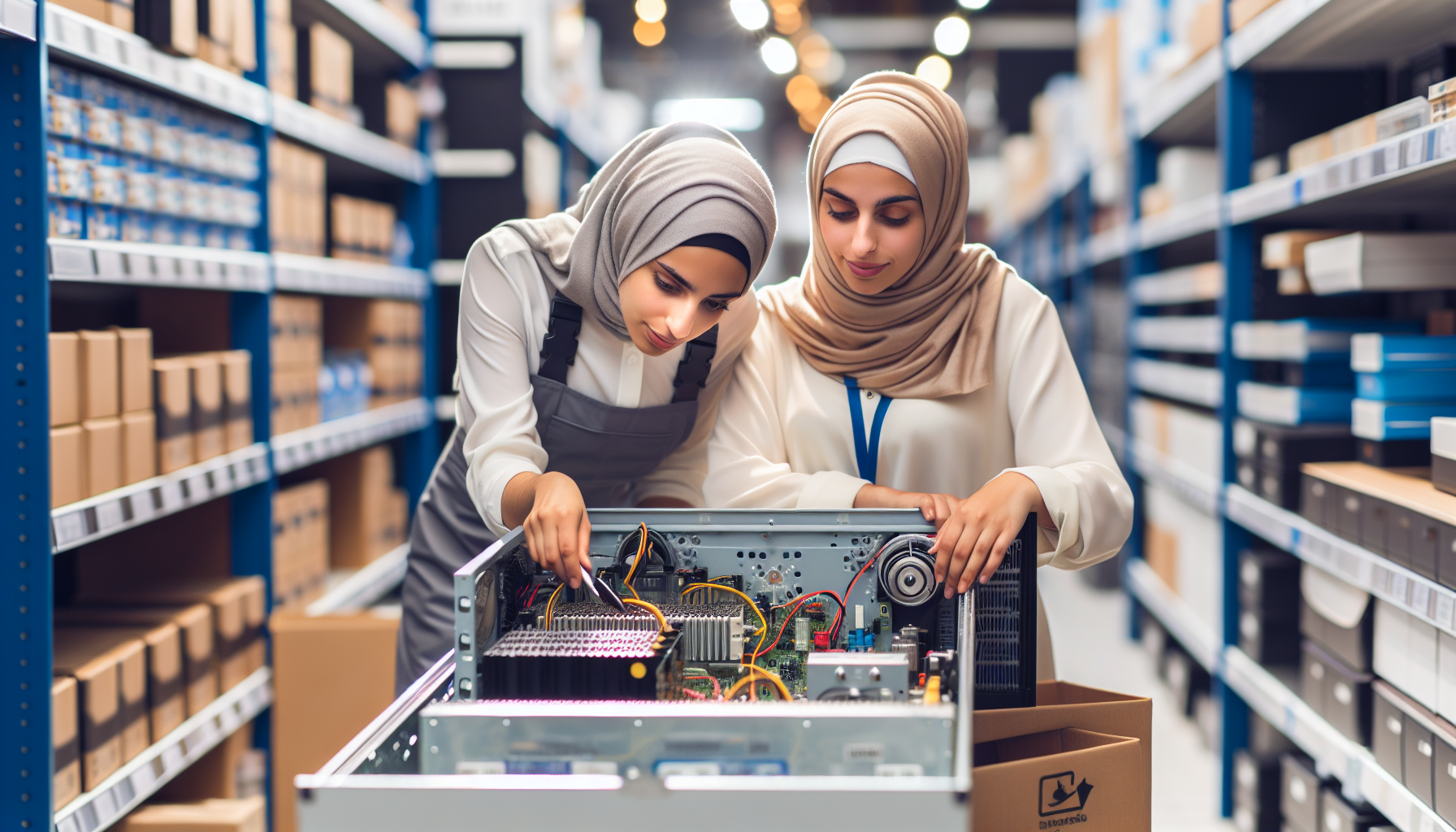
Although the industrial sector has traditionally focused on production, the relationship with the customer is gaining increasing importance. Integrating online and offline channels allows for a more personalized and accessible service, with tailored solutions and efficient technical support.\n
For example, the company Pasivados Aujor stands out in this area by combining technological innovation with a focus on customer satisfaction and loyalty.\n\n Despite these opportunities, some traditional industrial sectors face decline due to their inability to adapt to new environmental and technological demands. Furthermore, globalization and trade tensions pose logistical and economic challenges that require flexible and collaborative strategies.\n\n In short, 2026 will be a decisive year for industrial companies that integrate innovation, sustainability, and customer orientation to lead the market in an increasingly competitive and demanding environment.\n\n To delve deeper into the trends and evolution of the industrial sector, you can consult the analysis provided by Eurofound on the European industry, which offers updated statistics and studies.Challenges and Declines to Consider\n