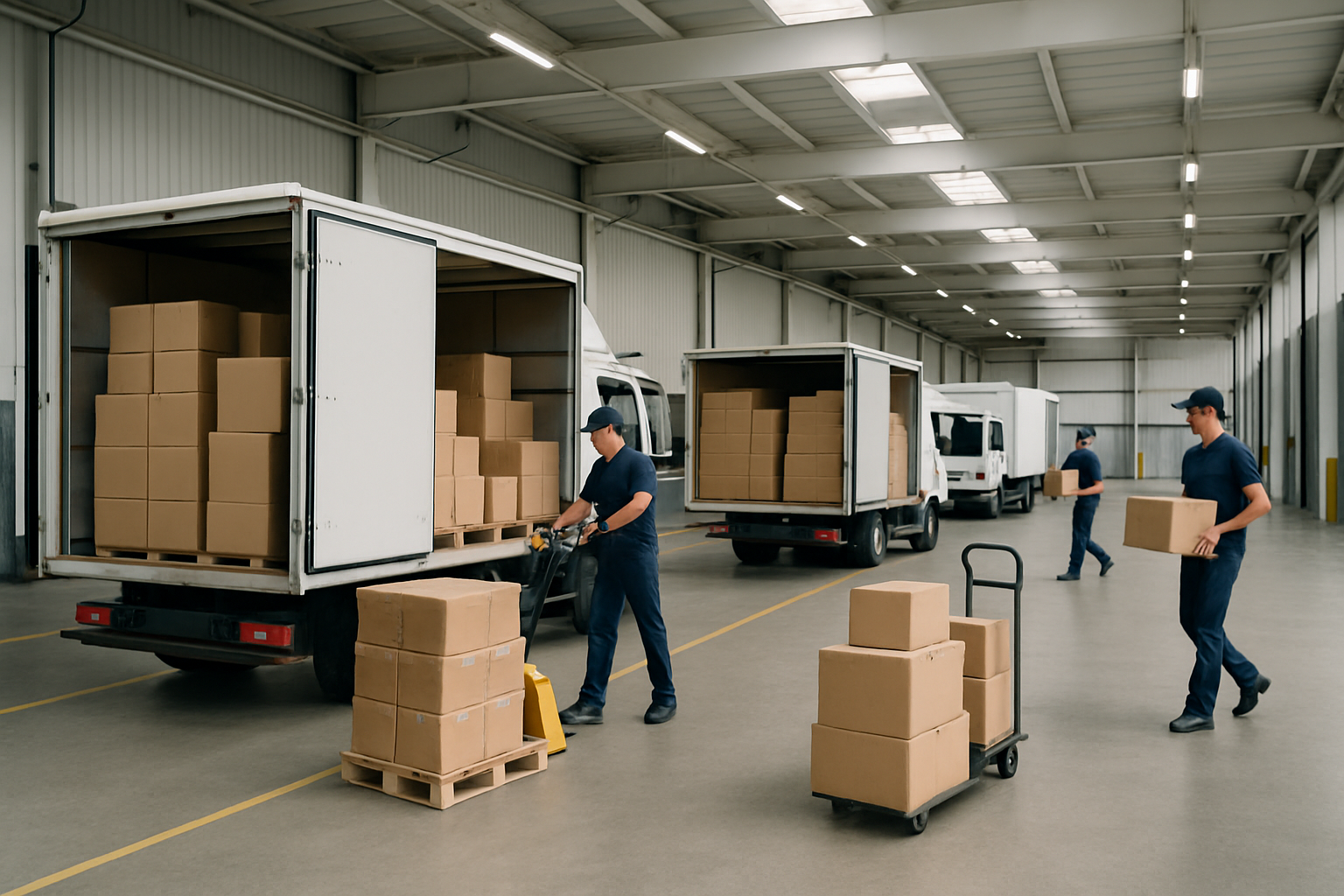
Transportation management is a fundamental pillar in the success of physical stores, especially in a commercial environment that combines online and offline. Proper logistics management not only impacts operational costs but also the shopping experience and customer loyalty. However, small logistical errors often go unnoticed until they cause significant consequences. In this article, we review the most common mistakes in transportation management for retail and offer practical tips to avoid them.\n\n
1. Poor Route Planning and Delivery Timing\n
A frequent mistake is not paying enough attention to transportation route planning, which can cause delays, additional costs, and stock issues. Lack of synchronization between goods receipt and store availability can affect the customer experience, especially when handling omnichannel orders.\n
To avoid this problem, it is key to use technological tools that optimize routes and coordinate delivery schedules. Digitalization and the use of logistics management systems help anticipate potential issues.\n\n
2. Lack of Control in Receiving and Storing Goods\n
Receiving products without rigorous control can lead to errors in the quantity or quality of items arriving at the point of sale. This directly affects availability and the ability to meet customer demand.\n
It is advisable to implement clear protocols for receiving and storage, as well as train staff in efficient stock management and verify each shipment. An integrated system connecting transportation with inventory helps maintain thorough control.\n\n
3. Ignoring the Importance of Proper Packaging\n
Insufficient or inappropriate packaging can cause damage to products during transport, generating costs for returns, replacements, and loss of customer trust.\n
It is essential to select packaging materials suitable for the product type and transport conditions. Additionally, collaborating with specialized transport providers can make a difference in the safety of the goods.\n\n
4. Overlooking Environmental Impact in Logistics\n
Nowadays, sustainability is a value gaining importance across all sectors, including retail. Not considering the environmental impact in transportation management can be a competitive disadvantage and harm the company’s image.\n
Implementing practices such as route optimization, using efficient vehicles, and utilizing recyclable packaging contributes to more sustainable logistics. Moreover, these efforts can be highlighted as part of the value proposition to customers.\n\n
5. Not Leveraging Collaboration with Transportation and Logistics Experts\n
Trying to manage the entire logistics chain internally without adequate experience can lead to inefficiencies and costly mistakes. Therefore, it is advisable to collaborate with specialists who bring knowledge, technology, and flexibility.\n\n
Conclusion\n
Avoiding these common transportation management mistakes is essential to improve operational efficiency and the shopping experience in physical retail. Planning, staff training, packaging quality, sustainability, and collaboration with specialists are key to overcoming today’s logistical challenges. Adopting these best practices allows stores to stay competitive and respond agilely to the demands of the hybrid online-offline market.